
By: Brendan Hastie, SBREC Business Adviser

Every successful business started with an idea. It may sound cliché, but it just takes that one spark to begin the process of creating your own business. However, the initial stages of entrepreneurship are challenging and may seem overwhelming. Having a blueprint to follow can alleviate some of those concerns by providing you with a concrete plan to start.
In this first part of our Business Blueprint trilogy, we want to cover what some of these requirements are, giving you insights that can be valuable for your own business development. Going from the idea stage to launching your business is what every entrepreneur strives for, so understanding what you need to get started is essential. Here, you will find some of the main areas that every start-up should explore to ensure that you can successfully get your business off the ground.
The logistics
As a business adviser, one of the main difficulties I have seen pre-startups run into is a lack of familiarity with the practical logistics of how to start, operate, and maintain a business. Product and service development are, of course, vital to the success of a business, but entrepreneurs need to consider more than just the product to start trading. Some of the things that entrepreneurs need to consider are:
- Legal status: Will you operate as a sole trader or private limited company? What are the benefits and drawbacks of different legal structures?
- Who do you need to tell? If you are handling sensitive information or in a particular industry, there may be certain regulatory requirements you need to adhere to or different government bodies you need to inform of your business practices.
- Suppliers and competitors: Knowing who your competitors are is a vital component of launching a business, as it will allow you to develop a sales and marketing strategy. Additionally, finding trusted and reputable suppliers can help pre-startups save on costs and get acclimated to the industry.
- Intellectual Property: Being able to protect your intellectual property can insulate your business against potential threats. Knowing how to distinguish between a trademark, copyright, and patent is important since there are significant differences on how and what they are applied to.
- Business premises: In today’s digital landscape, not all businesses require a brick and mortar location, but you need to be aware that there are different legal requirements if you are solely trading online or if you have a physical location. Local authorities will also have their unique regulatory environment depending on where you’re trading.
- Customers: Who are you selling to? This may seem obvious, but knowing whether you’re selling straight to consumers or to other businesses is critical when starting a company.
When you take this all into consideration, you’ll be able to begin your transition from idea to launch. However, that’s just the starting point. The next phase of the business blueprint is market research. For all the hard work that goes into launching a business, knowing where to access different types of information and the specific data you need can put you one step ahead of your competition and set you up for success.

Market research
One thing I always tell my clients is that your ambition to start a company has to be matched by your thoroughness. A lack of preparation and foresight can leave potential entrepreneurs behind the proverbial 8-ball, always reacting to different economic or business trends instead of taking a proactive approach to their business. To be prepared, you need to know where to find information and data and how to apply that to specific circumstances. Below, you can find some key database resources that will help you with that:
- COBRA: Provides business start-up information, and most notably, business information ‘factsheets’ that help start-ups with some of the logistics mentioned earlier, such as business plans, finding finance, marketing, tax and regulatory requirements, and more.
- FAME: A comprehensive database with over six million different companies, FAME is incredibly useful when looking for company data, building potential client/customer lists, and trying to locate what competitors are trading in your area.
- IbisWorld: For those new to the industry, IbisWorld provides easily digestible sector and industry profiles on hundreds of different industries in the UK, Europe, China, and the United States. Furthermore, they have analyst reports, projections, geographic breakdowns, and industry health barometers that can familiarise you with your sectors’ unique business landscape.
- GlobalData: With data on over 950,000 companies worldwide, GlobalData also provides pre-startups a copious amount of business data. However, this database also includes very detailed reports with analysis on different countries, industries, cities, and sectors.
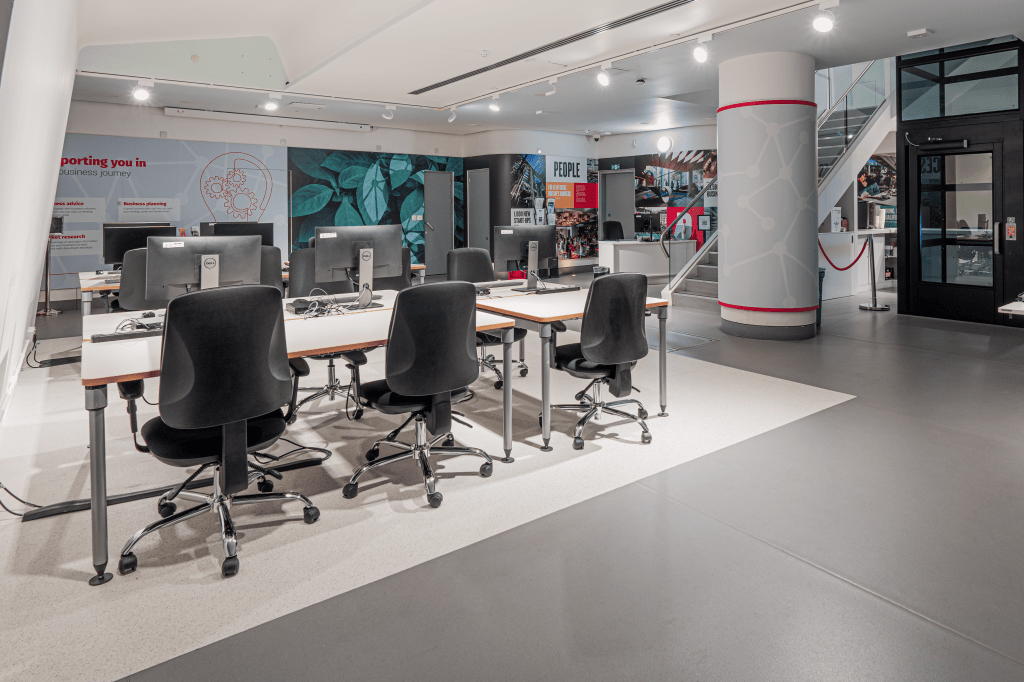
This is not an exhaustive list of all the databases that are available, but they provide pre-startups with the tools necessary to progress towards launch. They can all be accessed at the Small Business Research + Enterprise Centre.
Moving forward
As mentioned, this is only part one of our three-part Business Blueprint. While all three will give a more comprehensive guide, this is a good starting point for you to get your business off the ground. Progressing past the ideas stage and starting your business takes a lot of effort, so knowing where to find information and what steps to follow is always going to be important.
For more information and guidance, we’re running a three-part course in October 2024 to cover these topics in more detail. You’ll have the opportunity to ask questions and have conversations with us Business Advisers. You can also drop in to the Small Business Research + Enterprise Centre or email us any queries you have.
It may seem daunting to get started, but remember, any business idea can blossom into something so much bigger with the right amount of preparation and research!
 Small Business Research and Enterprise
One thought on “Business Blueprint, Part 1: The practicalities of going from idea to launch”