
By Zainab Habib-Kaj, Policy and research consultant
When governments make legal changes, they also create regulations to tell us how to implement those changes and how to operate under those specific laws. Regulations are secondary legislation, meaning that they were made outside of parliament by a government agency or regulatory body; they’re not developed by the people you elect in parliament or local council, but usually by government staff. Regulation is there to set standards, monitor performance and enforce compliance – so it’s important to know what applies to you so that you’re able to stay compliant.

As a business owner, it’s hard to track what’s affecting your business. But what if you don’t even know where to begin? I recognise I am oversimplifying this process here but for the sake of getting started, here’s one approach you can take.
1. Define your possible regulatory requirements.
If you spend 20 minutes on this exercise, it’ll help you start narrowing down what you need. Think about your legal structure, your industry (if you can define it), and what you’re about. For example, if you’re a product-based business, think about what you use to make your products and where you get your supplies. If you’re a service based business, think about who you deal with in terms of your clients and customers (i.e. vulnerable populations like children, youth, people with disabilities and/or seniors). Also, if you have a website or other communications, there will also be some regulation around that. See this PESTLE analysis download or this Narrowing Regulatory Concerns download from us to help you narrow this down; and other professionals you work with such as your accountant and lawyer should also share this information with you as related to your business. Please note that if the downloads don’t work for you, please email us and we will send an accessible PDF version.
2. Figure out who your regulators may be and which regulations apply to you.
Think about who your regulators are; it’s important to know who regulates the thing(s) you’re concerned about so that you can stay on top of their news. Also, think about the topics your regulators care about and their goals and priorities. This will help you stay ahead, knowing that’s what they care about.
One tip about regulators, governments and professional membership organisations: don’t hesitate to call or email government departments, regulators, professional membership organisations and/or local councils about what you need to know, and that includes whether something applies to you. You have a right to ask and it’s in their interest to tell you what you need to know. Government and regulators’ best interest generally is not in making money through non-compliance because that’s more work for them to do and it goes against what they’re hoping to achieve with the regulations in the first place. Every relevant organisation includes a way to contact them and someone in the organisation will direct your question(s) to the right people; even if they don’t know the answer, someone will know (or they’ll debate it and tell you it will need some time) and they’ll get back to you with an answer within a reasonable timeframe, even if the answer is to tell you that they are working on it.
3. Make a plan for how you’re going to keep track.
Entrepreneurs already have so much on their plate and this can feel like adding on yet another thing. However, good news: there’s help! It depends what you need and how much these regulations affect you, because that matters if you’re going to spend time, effort or money tracking this all.
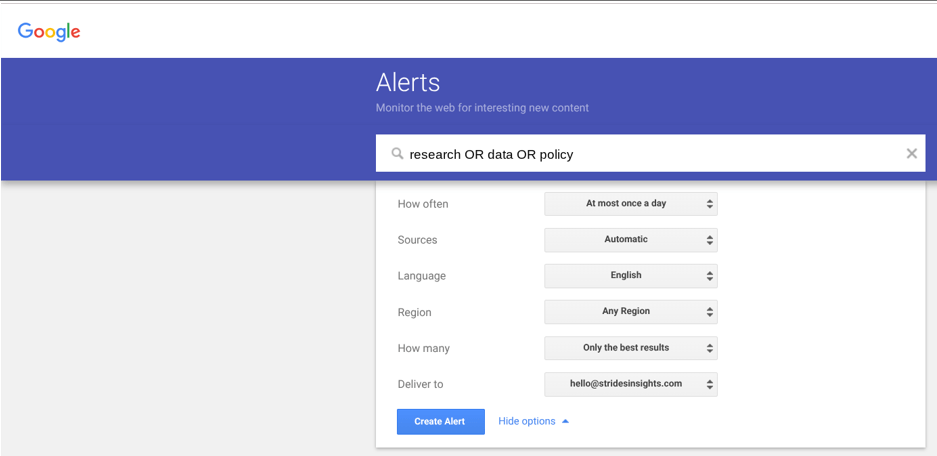
If you’d like to do it yourself: use a platform like Google Alerts, Talkwalker or other media tracking platform. Before you start, decide on how you would like to monitor news: as it happens, daily, or weekly. This comes down partially to your own ability to be able to switch off quickly afterwards (or whether you want dedicated time to looking at news in your day/week); and your sector/industry (some industries are more likely to have immediate need to react than others, i.e. industries like international financial markets or political affairs).
For Google Alerts, you can use certain keywords to look up issues that would be of interest to you, to monitor competitors or what other people are saying about your organisation, or finding opportunities for guest posting or content ideas (great ideas by Ahrefs there!). See Google Alerts at https://www.google.com/alerts
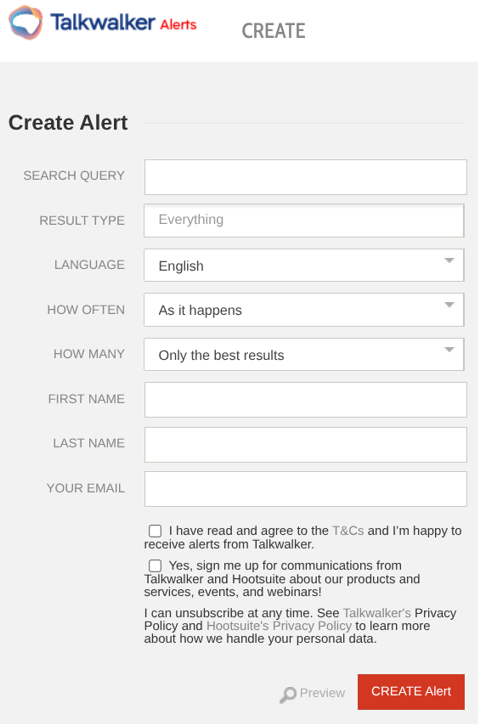
If you’re looking for another free alternative to Google, you can also check out Talkwalker Alerts which can send updates to your email inbox or RSS feed: https://www.talkwalker.com/alerts
There are also courses like AI and European Union Law: Navigating Regulatory Compliance (4 hours long) on Coursera, if that is applicable for you. You will have a better understanding of what you
If you need support: you can hire help or get help from an organisation like ours. You will also find support from freelancers or professionals who provide media monitoring, news tracking and/or social listening. Be mindful that social listening is more about your brand mentions and comments, so it may be too focused for this purpose. However, you want to know that someone is also keeping an eye on what anyone is saying about your brand and how it’s perceived if your organisation is influential enough as an industry player.
4. Prepare for regulatory change and how you’ll address it when it comes.
This applies for major changes that would require any major operational, legal or accounting changes. Before any changes happen, set your system up so that when there are regulatory changes, you’re ready. Specifically, set up systems that allow you to:
Track dates: set up a special policy calendar in your Google or Microsoft system that will allow you to create those deadlines and work backwards
- Optional: a quick checklist of what you would keep notes about:
- What the issue is (one sentence)
- A brief background about your organisation’s history with this issue (especially if it affects your vision / mission or you know your stakeholders have specific feelings about the issue) (one paragraph)
- What your options are, if applicable (quick list of 2-5 different approaches)
- Major dates for any regulation, required changes and reporting deadlines
When something does change, take 10-15 minutes to analyse what this means for you and your business and write that down. This will help you make it clearer about what you want to do. I’m a big proponent of writing things down because there’s analysis in the act of writing and seeing it on paper will help you make sense of things.
Store and access any notes and analysis: A OneNote notebook, a document with multiple sections, or a policy folder or some other place you can dump some analysis for whenever you need it. You want this to be searchable so that in a few years’ time, if you need to access it, you can find it again.
5. Start keeping an eye out on it!
You’ll get the hang of it, and you’ll learn quickly what works and what doesn’t for you. If you do need some time to go through what you’re doing, we offer free consultations and affordable 60-minute working sessions as well.
___________________________________________________________________________
About Strides Insights: At Strides Insights, we help organisations move past information overload or lack of information by using data, research and policy analysis to help them get the right information to make business decisions. We offer different levels of support, from consulting projects and ongoing part-time support when you know offloading this can free up your time and energy, to workshops that help you do it yourself with our guidance. You can contact us at 07955 021216 or hello@stridesinsights.com.
*We strive to do our best when supporting small business and their growth. Our business databases can give you information and data that can help you with advertising, market research, company information, and industry factsheets. If you have already taken the plunge, we would love for you to join us at a seminar, our workshops cover digital marketing, business model canvas and planning, demystifying taxes and intellectual property to name a few. Visit our events page or website for more information.

